Nutrition Implementation Research Program
Optimizing
Maternal
Nutrition
Multiple Micronutrient Supplementation
A Nutrition International–funded implementation research project evaluating the feasibility, acceptability, and effectiveness of transitioning from Iron-Folic Acid (IFA) to WHO-recommended MMS regimens in Bauchi State, Nigeria.
Programme Partners
Nutrition International Canada
Lead Funder
Sociocapital Impact Group
Lead Implementer
Sonder Collective
HCD Design Partner
Federal Ministry of Health
Government Partner
Bauchi State Government
State Partner
300+
HCWs
Trained
42K+
MMS Bottles
Distributed
2-3×
More DALYs
than IFAS
The Evidence
MMS: A More Effective Path to Maternal Nutrition
Evidence suggests that Maternal Multiple Micronutrient Supplementation (MMS) is more cost-effective and yields 2–3× more Disability Adjusted Life Years (DALYs) than the traditional Iron-Folic Acid Supplements (IFAS). Increasing adherence to MMS can accelerate national progress towards reducing anemia, low birth weight, and stunting.
The World Health Organisation (WHO) guideline recommends the administration of MMS — a daily dose of 15 vitamins and minerals including iron and folic acid — during pregnancy, encouraging low- and middle-income countries to transition from long-standing IFA supplementation in the context of rigorous research.
This implementation research project offers a promising, scalable model for integrating MMS into ANC services in Nigeria, demonstrating that improved adherence and maternal nutrition outcomes are achievable even in resource-constrained settings.
Project Objectives
What We Set Out to Achieve
Elevate and advance maternal nutrition by improving adherence to micronutrient supplementation during pregnancy.
Generate evidence through implementation research on MMS to replace IFA as the standard of care.
Optimize adherence with an equity lens through HCD, co-creation strategies, and adaptive implementation approaches.
Strengthen maternal programs to prioritize and effectively deliver micronutrient supplements through public health system platforms.
Contribute to national and global knowledge, evidence, and operational guidance on improving micronutrient supplementation adherence.
Impact
Progress in Numbers
Through technical assistance, capacity building, supply chain optimization, community engagement, and behavioral adherence interventions, the project has achieved:
300+
Healthcare Workers Trained
Trained and coached on MMS package within the ANC service, ensuring quality counseling and consistent supplement administration.
1,100+
Community Actors Deployed
Ward Development Committees and Mama-2-Mama volunteers deployed and trained to reinforce key adherence messages and conduct home visits.
42,000+
MMS Bottles Distributed
Distributed through a strengthened commodity management mechanism combined with a streamlined last-mile delivery system and monitoring framework.
4
Culturally Sensitive Adherence Tools
Co-developed tools to raise awareness, shift behaviour, and reinforce adherence to the WHO-recommended MMS protocol across communities.
2
Medical Store Tiers Upgraded
State central warehouse and zonal medical stores equipped and upgraded in compliance with Good Warehousing Practices for safe storage and distribution.
Evidence & Learnings
Key Learnings
Multisectoral and multilevel stakeholder buy-in and local ownership are key to scale-up and sustainability of MMS within government-led ANC programs.
Local ownership and engagement of communities working through traditional institutions significantly enhanced community trust and program adoption.
Beyond trainings, customized on-site mentorship and coaching are fundamental to introduction and scale-up of new evidence-based practices.
A combination of supply and demand-side interventions is critical to addressing myths and misconceptions about MMS, especially concerns around fertility.
Adherence to healthcare management protocol must be backed by a well-coordinated demand-side intervention leveraging community health worker networks.
Well trained, equipped and motivated health workforce is pivotal to scale-up efforts.
Data-use for decision making improves evidence-informed adaptive implementation across all programme levels.


Stories from the Field
Voices of Change
Beneficiaries, health workers, and community actors share how MMS transformed their experience of pregnancy and maternal care.
Mrs Najaatu Muazu
Beneficiary, Bauchi State
"Six months ago, I joyfully welcomed my child into the world. My baby was born healthy and has remained free from illness. I truly believe that the MMS, combined with the support and guidance I received during my ANC visits, made a significant difference. Today, I am a strong advocate for MMS."
Rahina Salihu
Health Care Worker
"Over recent months, there has been a significant surge in the number of women attending ANC sessions. The daily consumption of IFAS has notably declined from over 1,000 tablets daily to less than 400 — suggesting a growing preference for comprehensive nutritional support over traditional supplementation."
Anita Musa
Mama to Mama (M2M) Member
"The MMS Adherence Solutions package has significantly transformed my perception and capacity — from the capacity building making me able to effectively teach and counsel pregnant women on the critical importance of Antenatal Care and the monitor and compliance."
M&E Officer
Dass LGA
"Reliable data enables evidence-based advocacy. Now we can see exactly how many women collected MMS each month and plan better for the next supply. This has transformed how we manage commodity distribution across the LGA."
Read Our Blogs
Articles & Insights

3 October 2025 · Global Policy
From UNGA 80 to Local Impact: Sustaining Momentum Beyond New York
15 September 2025 · Lessons Learned
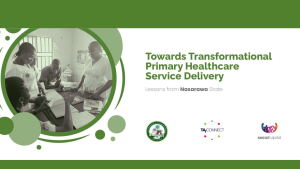
Towards Transformational Primary Healthcare: Lessons from Nasarawa State

15 September 2025 · Case Study
Stronger Systems, Stronger Care: How Nasarawa is Reimagining Primary Healthcare
Resources
Technical Briefs & Videos
Strengthening Commodity Security to Ensure Last-Mile Access to Micronutrient Supplementation
Improving Adherence to Micronutrient Supplementation through Peer-to-Peer Mentorship — Spotlight on Mama-2-Mama Mentors
Summary Report: Key Project Learnings
Watch & Learn
Project Partners
Built Through Partnership

Nutrition International
Lead Funder & Technical PartnerNutrition International works with ministries of health and partners to strengthen antenatal care through health systems, maximizing health outcomes for women and their babies.
Learn More
Sociocapital Health
Lead ImplementerSociocapital employs evidence-based insights to address Social Determinants of Health Equity, ensuring equitable access to respectful healthcare for underserved populations.
Learn More
Sonder Collective
Human-Centred Design PartnerSonder blends anthropology, behavioral science, and data science to generate insights grounded in real-world experience, leading the HCD of MMS adherence solutions.
Learn More